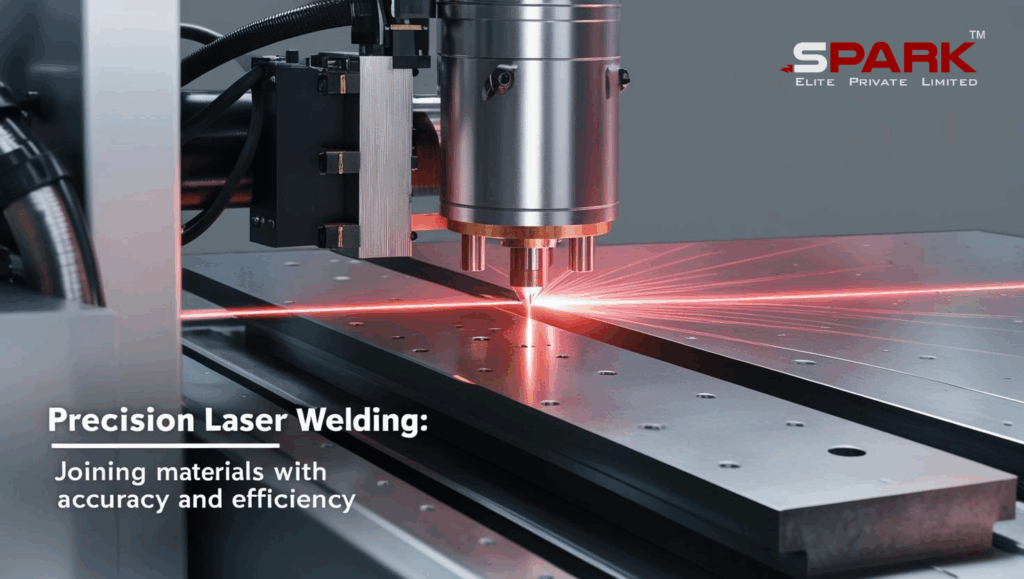
Laser welding machines are revolutionizing the way industries join metal parts. Using a high-intensity laser beam, these machines produce precise, clean, and durable welds without the need for filler materials. Whether in the automotive, aerospace, jewelry, or electronics industry, laser welding technology offers unmatched accuracy, speed, and reliability. This guide explores how laser welding machines work, their benefits, applications, and answers to frequently asked questions.
What is a Laser Welding Machine?
A laser welding machine is a device that joins metal pieces by melting them with a focused laser beam. The heat generated by the laser creates a molten pool at the joint, which solidifies into a strong weld upon cooling. Depending on the machine type, it may operate in pulsed or continuous mode, providing versatility for various materials and thicknesses.
Key Features of Laser Welding Machines
- High Precision: Ideal for intricate or fine welding tasks
- Minimal Heat Affected Zone: Reduces distortion and preserves material properties
- Non-contact Process: Eliminates mechanical pressure on components
- Speed and Efficiency: Much faster than traditional welding methods
- Automation Capable: Easily integrated with CNC or robotic systems
- Cleaner Finish: Less spatter and post-processing required
Types of Laser Welding Machines
1. Fiber Laser Welding Machine
- Uses optical fibers to transmit laser beams
- High efficiency and low maintenance
2. CO2 Laser Welding Machine
- Uses gas-based lasers
- Better for welding non-metal materials like plastics
3. Nd**:YAG**** Laser Welding Machine**
- Suitable for pulsed operations
- Great for thin metal sheets and electronics
Applications of Laser Welding
Automotive Industry
- Welding gears, engine parts, and sensors
Aerospace
- Precise, high-strength welding of lightweight materials
Jewelry
- Repair and creation of delicate gold, silver, and platinum items
Electronics
- Spot welding for circuits and micro-components
Medical Devices
- Seamless and sterile joints for surgical instruments
Advantages Over Traditional Welding
- Greater Control: Precise energy input
- Smaller Welds: Ideal for micro-welding
- Automation-Friendly: Programmable operations
- Reduced Warping: Especially in thin materials
- Eco-Friendly: No filler wires or fluxes required
How Laser Welding Machines Work
- Beam Generation: The laser source creates a coherent light beam.
- Focusing: Optics concentrate the beam on a tiny focal point.
- Heat Generation: The concentrated energy melts the metal at the joint.
- Cooling and Solidifying: The molten pool cools and forms a strong weld.
Setup and Installation
- Unpacking: Safely remove from packaging and inspect for damage
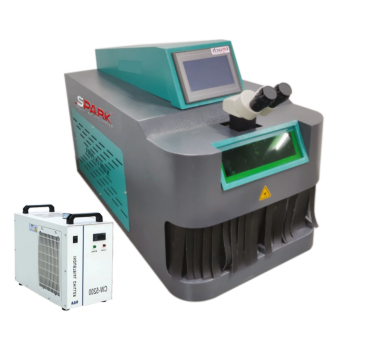
- Assembly: Connect laser source, cooling system, and control unit
- Software Setup: Install manufacturer-provided software for operation
- Calibration: Adjust beam parameters and test on sample materials
- Safety Checks: Ensure shielding and emergency stops are in place
Maintenance Tips
- Regular Lens Cleaning: To maintain beam clarity
- Check Cooling Systems: Avoid overheating and ensure efficiency
- Software Updates: Use the latest firmware for stability
- Routine Inspections: Check for beam alignment and wear
Safety Considerations
- Use protective eyewear with proper wavelength filters
- Ensure proper ventilation for fume extraction
- Use shielding or enclosures for beam containment
- Follow OSHA or local safety guidelines
Cost and ROI
Prices can range from $5,000 to $100,000+ depending on:
- Laser power and type
- Degree of automation
- Brand reputation
- Accessories and support
Despite the high upfront cost, laser welding offers fast ROI through reduced labor, material waste, and rework.
Frequently Asked Questions (FAQ)
Q1: What materials can be welded with laser machines?
Metals =like steel, stainless steel, aluminum, gold, titanium, and copper.
Q2: Can laser welding replace traditional methods?
In many cases, yes—especially when precision and speed are critical.
Q3: Is laser welding safe?
Yes, when operated with proper safety protocols and protective equipment.
Q4: How deep can laser welding penetrate?
Up to several millimeters, depending on power and material.
Q5: Does it require filler materials?
Not usually. However, fillers can be used if needed for certain applications.
Q6: Can it weld dissimilar metals?
Yes, with controlled settings and sometimes filler material.
Q7: What industries benefit most from laser welding?
Automotive, aerospace, electronics, medical, and jewelry sectors.
Q8: What are the power options?
Ranges from 150W for micro-welding to over 3kW for industrial tasks.
Q9: Can beginners operate laser welding machines?
With basic training, yes. Most machines come with user-friendly interfaces.
Q10: What’s the lifespan of a laser welding machine?
Typically 8–10 years with regular maintenance.
Conclusion
Laser welding machines provide unmatched precision, efficiency, and strength in metal joining. As demand for quality and speed grows in manufacturing, these machines have become essential tools across industries. Investing in a laser welding system not only boosts productivity but also ensures higher quality with lower operational costs.
Whether you’re in high-volume production or intricate repair work, laser welding is a game-changer. Choose the right system, follow proper safety and maintenance protocols, and elevate your manufacturing capabilities to the next level.